Expert Hayward Massage Therapy Clinic
Learn About the Positive Aspects of Different Types of Massage Therapy: From Deep Tissue to Soothing Techniques
Therapeutic massage delivers a spectrum of techniques, each meeting specific physical and emotional concerns. From the concentrated relief of deep tissue massage to the gentle effects of Swedish techniques, the choices are extensive. Athletes benefit from sports massage, while hot stone therapy fosters relaxation. In addition, incorporating aromatherapy can elevate the experience additionally. Understanding these modalities demonstrates how they enhance overall wellness. What special benefits might each type provide for individual needs?
Grasping the Basics of Massage Therapy
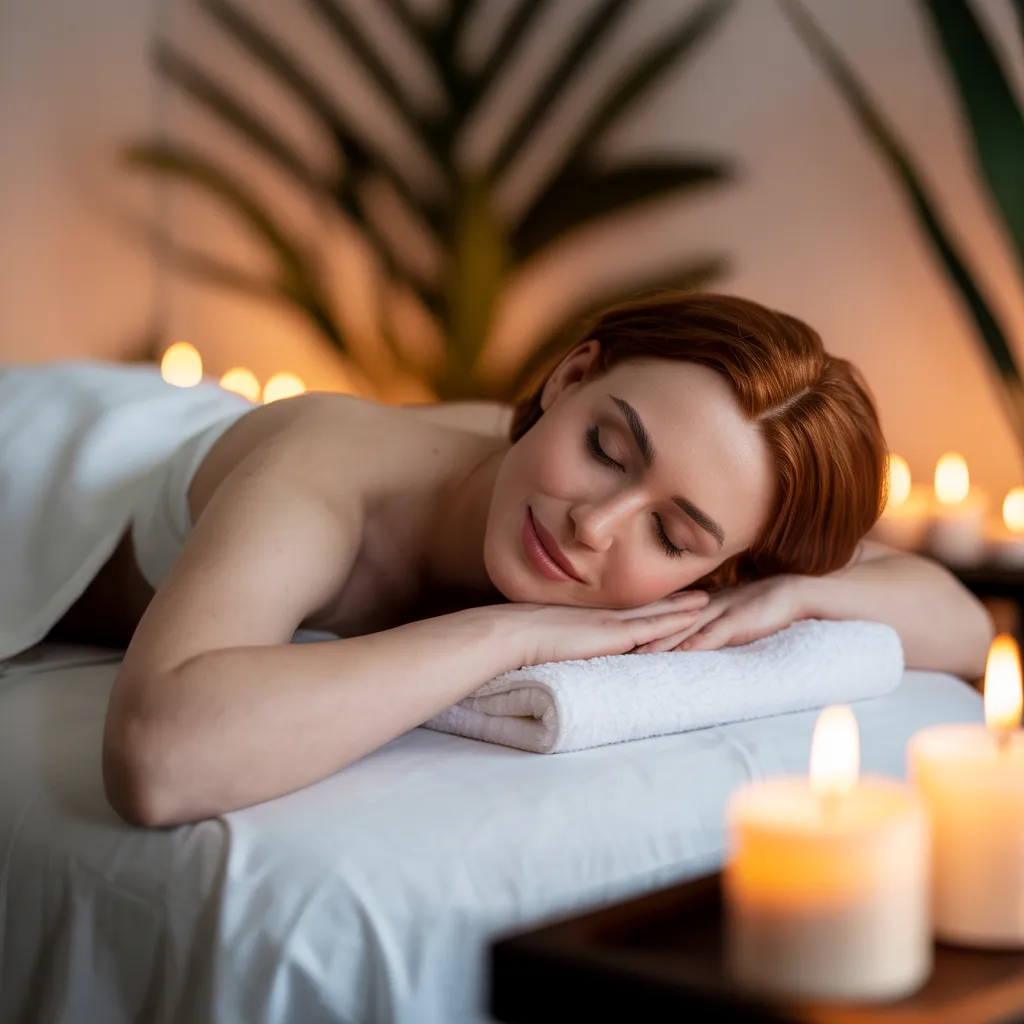
Although many individuals connect massage therapy with relaxation, it encompasses a range of techniques focused on enhancing physical and mental well-being. At its core, massage therapy involves the manipulation of soft tissues in the body, including muscles, tendons, and ligaments. Different styles exist, each customized to address particular needs. For instance, Swedish massage emphasizes relaxation through gentle strokes, while sports massage focuses on athletes' distinctive concerns, improving performance as well as recovery.
The practice roots trace back to ancient civilizations, demonstrating its long-standing relevance in wellness. Approaches might encompass kneading, tapping, and stretching, which can encourage circulation and ease tension. Furthermore, the therapeutic environment, often featuring tranquil music and dim lighting, contributes to the complete experience. Grasping these basics enables individuals to recognize how massage therapy can work as a valuable tool for attaining better health and wellness, beyond basic relaxation.
The Positive Effects of Deep Tissue Massage
Deep tissue massage offers numerous advantages, particularly for those dealing with chronic pain. By focusing on deeper layers of muscle and connective tissue, it enhances mobility and flexibility while substantially reducing muscle tension. As a result, individuals often achieve significant improvements in their general physical well-being.
Eases Persistent Pain
Persistent pain can significantly affect a person's overall well-being, rendering effective relief crucial. Deep tissue massage has become a practical approach for people dealing with ongoing discomfort. Through firm pressure application to deeper muscular and connective tissue layers, this technique zeroes in on targeted pain areas and muscle strain. Scientific evidence shows that deep tissue massage may lower inflammation, boost circulation, and encourage endorphin release, which serve as organic pain relievers. Moreover, the approach can aid information in dissolving scar tissue and adhesions, which both play a role in long-term pain. Patients commonly note a considerable decline in pain severity after routine sessions, underscoring the value of deep tissue massage as a healing strategy for persistent pain control.
Enhances Physical Mobility and Flexibility
Releasing enhanced mobility and flexibility is a primary benefit of deep tissue massage, making it an ideal choice for active individuals and those recovering from injuries. This massage technique targets lower layers of muscle and connective tissue, effectively breaking down adhesions and promoting increased range of motion. By applying concentrated pressure, it can help lengthen tight muscles and enhance overall flexibility. Athletes often seek deep tissue massage to enhance performance and prevent injuries, while rehabilitation patients benefit from its ability to restore movement. Regular sessions can contribute to better posture and alignment, further enhancing mobility. Ultimately, deep tissue massage serves as a valuable tool for anyone looking to improve their physical capabilities and maintain an active lifestyle.
Reduces Muscle Tightness
Massage therapy works to alleviate muscle tension, offering significant relief to people suffering from tightness and discomfort. Deep tissue massage, in particular, targets deeper layers of muscle and connective tissue, breaking up adhesions and promoting relaxation. This technique includes applying sustained pressure to specific areas, which can bring about the release of chronic muscle tension. As the therapist treats knots and tight spots, clients often describe a reduction in pain and an increase in overall comfort. Additionally, this type of massage can boost blood circulation, promoting healing and reducing inflammation. By handling underlying muscle tension, deep tissue massage not only offers immediate relief but also supports long-term wellness, making it an essential option for individuals seeking to improve their physical health.
Discovering Swedish Massage for Stress Relief
Even though many massage methods exist, Swedish massage distinguishes itself for its potential to promote deep relaxation. Defined by long, flowing strokes and gentle kneading, this technique allows the body to de-stress while enhancing the overall sense of wellness. The incorporation of approaches such as effleurage, petrissage, and friction allows for a thorough approach to relaxation, targeting both physical and mental tension.
Swedish massage proves especially advantageous for those pursuing stress reduction and emotional equilibrium. The rhythmic movements stimulate blood circulation and lymphatic drainage, aiding in the release of toxins and promoting a sense of serenity. Moreover, the relaxing essence of this therapy can aid in diminishing stress and bettering rest quality. As a popular choice in spas and wellness centers, Swedish massage remains a go-to option for those wishing to escape the pressures of daily life and embrace a state of tranquility and rejuvenation.
The Restorative Effects of Sports Massage
Numerous athletes and physically active people resort to sports massage for its specific benefits in injury avoidance and healing. This specialized form of massage therapy zeroes in on specific muscle groups, increasing flexibility and decreasing soreness. By applying techniques such as deep tissue manipulation and stretching, sports massage aids in alleviate tension and enhance circulation, which can hasten the healing process after rigorous physical activity.
Additionally, it helps with the identification of potential problem areas, helping practitioners to address issues before they escalate into more serious injuries. Regular sessions can improve performance by promoting muscle relaxation and increasing range of motion. Furthermore, sports massage can decrease recovery time by flushing out metabolic waste and delivering essential nutrients to fatigued muscles. On the whole, its healing power lies in its ability to support athletes through tailored care, making certain they maintain peak physical condition while reducing the risk of setbacks.
The Manner in Which Hot Stone Massage Enhances Relaxation
Hot stone massage delivers exceptional benefits that substantially boost relaxation. The application of heated stones promotes heat therapy, which aids in improved circulation and alleviates muscle tension. This combination creates a soothing experience that can lead to deeper relaxation and overall well-being.
Therapeutic Heat Benefits
When seeking a thoroughly relaxing treatment, individuals often select hot stone massage, a technique that utilizes heated stones to calm both mind and body. The application of heat during this treatment fosters a sense of calm and tranquility, helping clients to unwind more effectively. The warmth of the stones serves to loosen tight muscles, amplifying the overall massage session. It also enables deeper tissue reach, helping therapists to reduce tension more effectively. Additionally, the soothing heat can trigger the body's natural healing processes, offering relief from stress and anxiety. All in all, hot stone massage not only offers immediate comfort but also supports long-term relaxation and health, making it a popular choice for those aiming to rejuvenate both physically and mentally.
Enhanced Circulation Outcomes
Using heated stones during massage sessions encourages relaxation and substantially boosts circulation. Warmth radiating from the stones permeates deep muscle layers, dilating vessels and increasing blood flow. The improved circulation assists in supplying crucial nutrients and oxygen to tissues, enabling metabolic waste removal. With improved blood flow in the body, inflammation may decrease while overall well-being increases. In addition, the soothing heat encourages the body to relax, which can lower heart rates and reduce blood pressure. Through incorporating heated stones into massage treatments, practitioners can offer clients a comprehensive method for improving circulation while concurrently fostering profound relaxation and comfort.
Muscle Stress Relief
Experiencing relief from muscle tension is one of the main benefits of hot stone massage, as the heated stones successfully eliminate tightness and discomfort. The warmth of the stones penetrates deep into the muscles, fostering relaxation and enhancing blood flow. This heat allows the muscles to relax, making it more straightforward for therapists to work on and relieve stiffness or tightness. Moreover, the combination of heat and pressure facilitates the release of endorphins, further improving relaxation and providing a sense of contentment. Hot stone massage is particularly effective for those suffering from chronic tension or stress-related conditions, offering a calming experience that focuses on both physical and emotional discomfort. This holistic approach not only eases muscle tension but also promotes overall relaxation.
The Distinctive Benefits of Aromatherapy Massage
Though numerous types of massage therapy offer relaxation and stress relief, aromatherapy massage uniquely combines these positive effects with the therapeutic properties of essential oils. This technique not only eases physical tension but also involves the senses, improving the whole experience. Each essential oil contains unique characteristics; for instance, lavender is renowned for its calming benefits, while eucalyptus can stimulate and refresh.
The synergy of massage techniques and aromatic oils fosters emotional well-being, often bringing about reduced anxiety and improved mood. In addition, the inhalation of essential oils can stimulate the limbic system, which is in charge of emotions and memories, providing a holistic approach to healing.
Moreover, aromatherapy massage can increase physical benefits such as improved circulation and pain relief, making it an attractive choice for those seeking both mental and physical rejuvenation. All in all, this therapy delivers a well-rounded approach to well-being, addressing both body and mind.
Common Questions
What's the Recommended Massage Frequency for Maximum Benefits?
To achieve maximum benefits, those seeking massage therapy should aim for massages every 2-4 weeks, relative to their personal requirements and lifestyle. Maintaining regularity enhances tension relief, muscular healing, and general wellness, promoting lasting wellness advantages.
Can Massage Therapy Assist With Specific Medical Conditions?
Massage therapy helps ease symptoms of specific medical conditions, like chronic pain, anxiety, and muscle tension. Multiple techniques can be tailored to accommodate individual health concerns, promoting overall wellness and relaxation.
Is It Safe to Receive Massage Therapy During Pregnancy?
Massage therapy is generally considered safe during pregnancy, when it is performed by a skilled therapist trained in prenatal techniques. It can relieve discomfort, minimize stress, and promote relaxation, providing benefits to both mother and baby.
What Should I Wear When Getting a Massage?
For massage appointments, individuals commonly wear comfortable, loose-fitting clothes. Some prefer to undress to their level of comfort, while therapists provide draping for privacy. It's important to prioritize comfort and ease of movement during the session.
How Do I Choose the Right Massage Therapist?
Picking the right massage therapist involves investigating qualifications, reading reviews, and assessing specializations. It's important to follow one's instincts during initial consultations, maintaining comfort and communication regarding personal needs and preferences before making a decision.